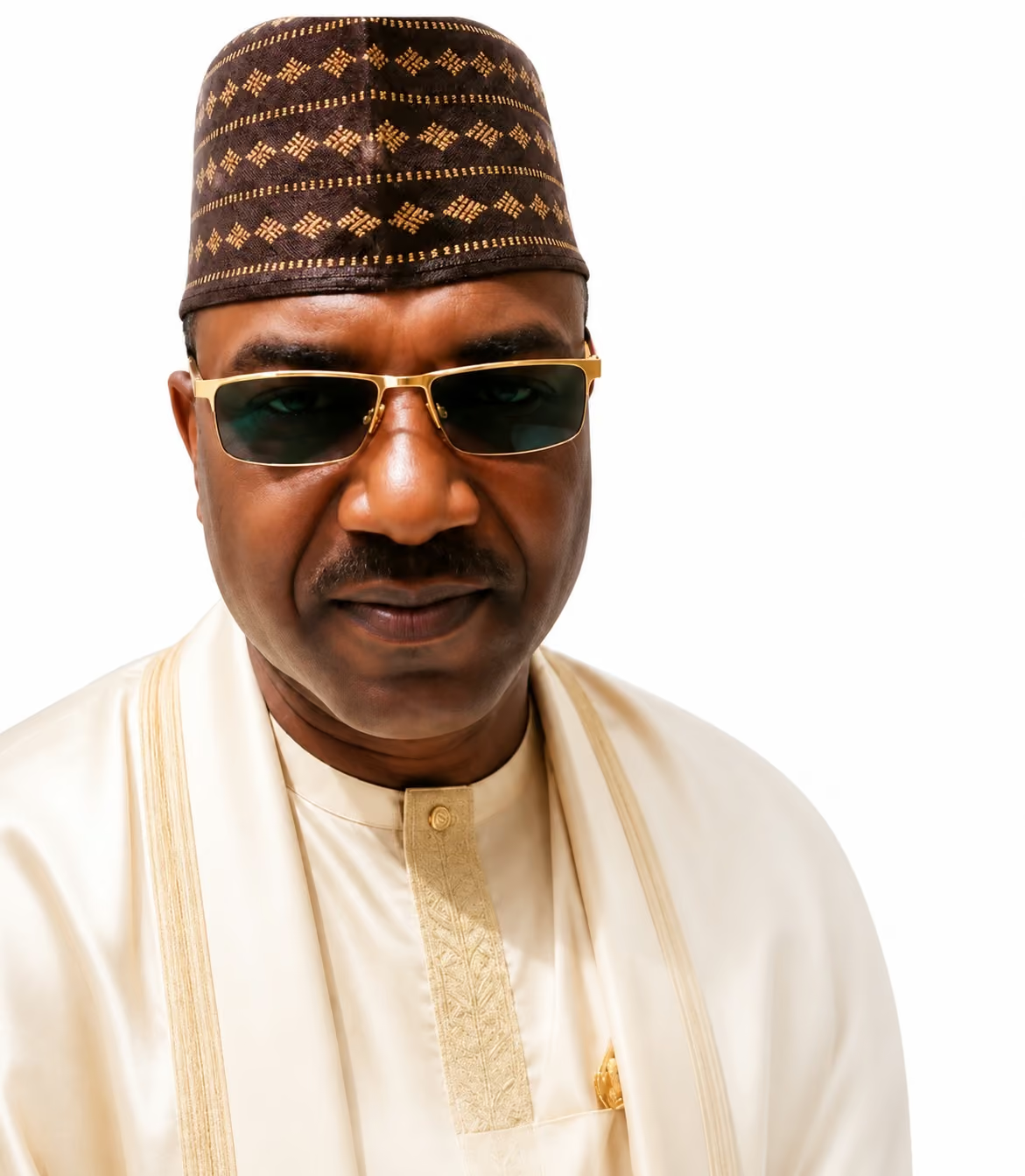
During his 2015 to 2019 Senate term, Tijjani Yahaya Kaura chaired the Committee on Federal Character and Intergovernmental Affairs. Understanding what that committee actually does requires understanding the principle it was created to police.
The problem federal character was written to solve
Nigeria is a federation of more than 250 ethnic groups across 36 states and the Federal Capital Territory. A federal government that draws its staff, appointments and contracts disproportionately from a handful of states or groups is a federal government that will eventually lose the confidence of everyone else. The federal character principle exists to prevent that: it requires federal institutions to reflect the country’s diversity in who they hire, appoint and contract, rather than concentrating opportunity in a few dominant regions.
Why it needs a Senate committee at all
A principle written into policy does not enforce itself. Federal agencies have their own hiring pressures, political relationships and institutional habits, and left unchecked those pressures tend to reproduce existing imbalances rather than correct them. A dedicated Senate committee exists to ask the harder question directly of agencies: does your staffing, your board composition, your contract award record actually reflect the federation, or does it only reflect convenience?
Intergovernmental affairs, the other half of the mandate
The committee Kaura chaired also covered intergovernmental affairs, the coordination problem that shows up whenever a federal decision has to actually land in a state or local government. Policy written in Abuja does not automatically translate into outcomes in Zamfara or anywhere else without functioning coordination between the three tiers of government. That coordination is itself a form of accountability: it determines whether federal intentions become local reality or stall somewhere in the machinery.
The link to how Kaura has governed since
The same instinct, look past an institution’s stated policy to what it is actually delivering, runs through Kaura’s later leadership of the Oil and Gas Free Zones Authority and his current chairmanship of the NEPZA Governing Board. It is also the operating principle behind Inland Drills Limited: a licence or a policy on paper is the starting point, not the proof that the work is being done properly.