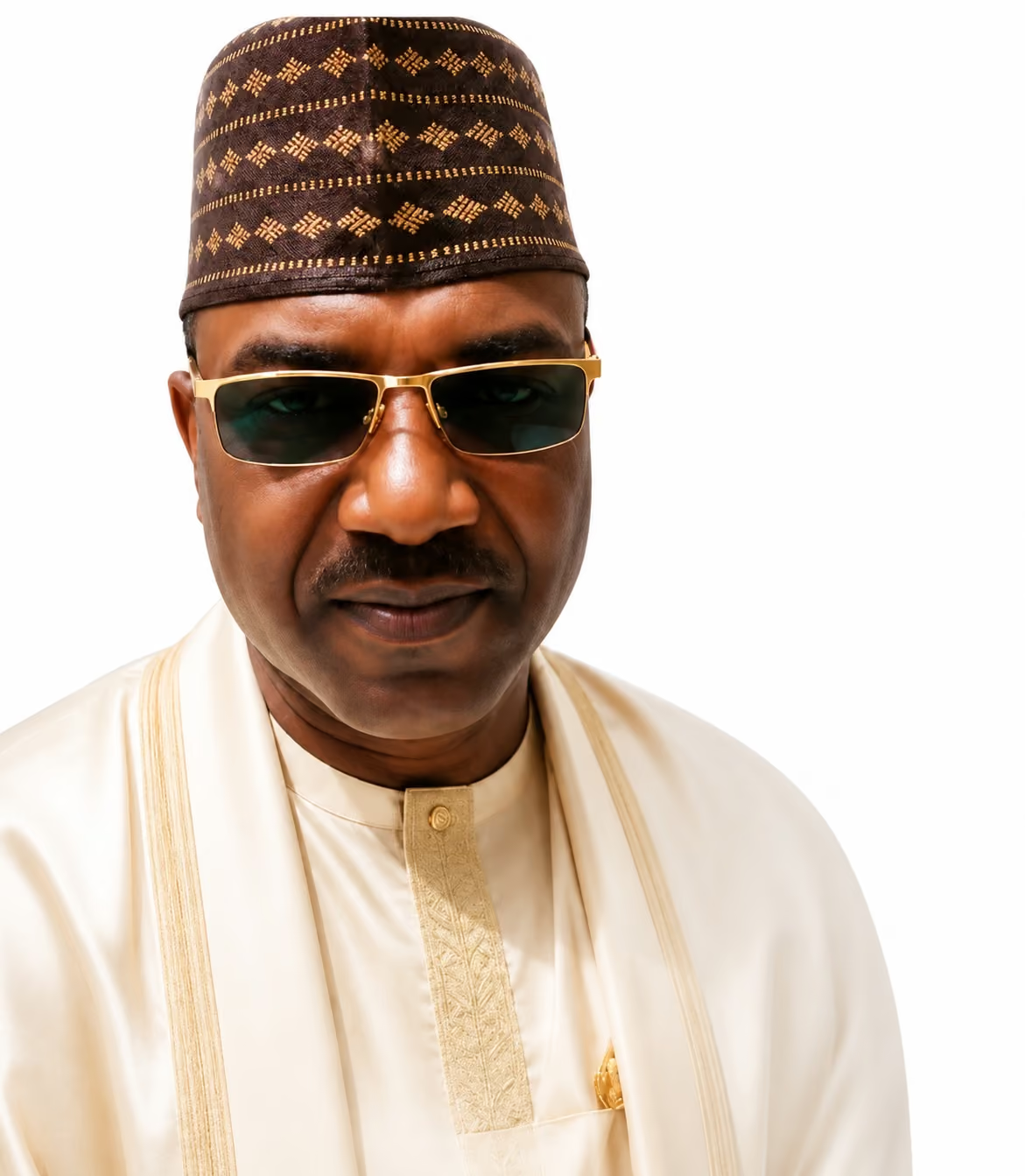
Tijjani Yahaya Kaura’s declaration to contest the Zamfara North senatorial seat in the 2027 general elections raises a reasonable question for anyone watching Inland Drills Limited: what would actually change for the company if he wins?
What would not change
Inland Drills’ mineral titles, its compliance record, its management structure and its day-to-day operations do not depend on Kaura holding elected office. The company operates under its own Managing Director, Finance Manager, and Director of Marketing & Sales, and its licensing was obtained through the standard regulatory process available to any operator. None of that requires a Senate seat to remain valid or to continue functioning.
What would change: policy proximity, not privilege
A Zamfara North senator has influence over solid minerals regulation, free zone and export policy, and the intergovernmental relationships that determine how quickly federal decisions reach a state like Zamfara. If Kaura returns to the Senate, Inland Drills would be operating in a state represented by someone with direct legislative experience of the policy areas the company depends on, not a special privilege, but a level of policy fluency at the representative level that the company’s sector does not always get.
The scenario if he does not win
Nothing about Inland Drills’ regulatory standing or operational plan changes if the 2027 outcome goes differently. The company was built, deliberately, to not require its founder’s political success to continue functioning. That was a design choice, not an assumption made only after the fact.
Why this question is worth answering directly
Stakeholders, communities, regulators and buyers, are entitled to ask whether a founder-led company’s fortunes are tied to its founder’s political career. Inland Drills’ answer is a documented one: the company’s standing rests on its licences and its operating record, and the 2027 election changes the policy environment it operates inside, not the legal or operational basis on which it operates.