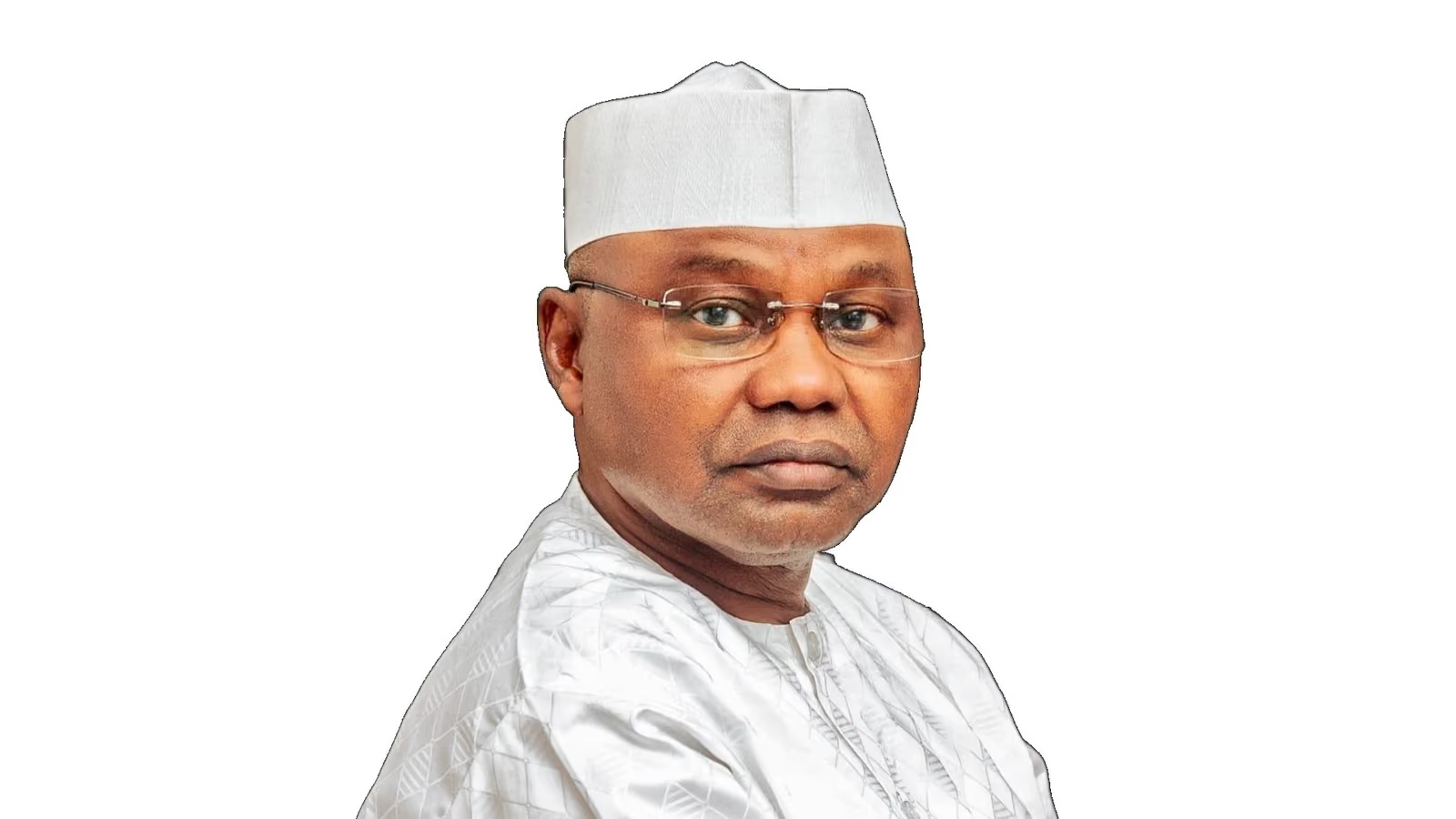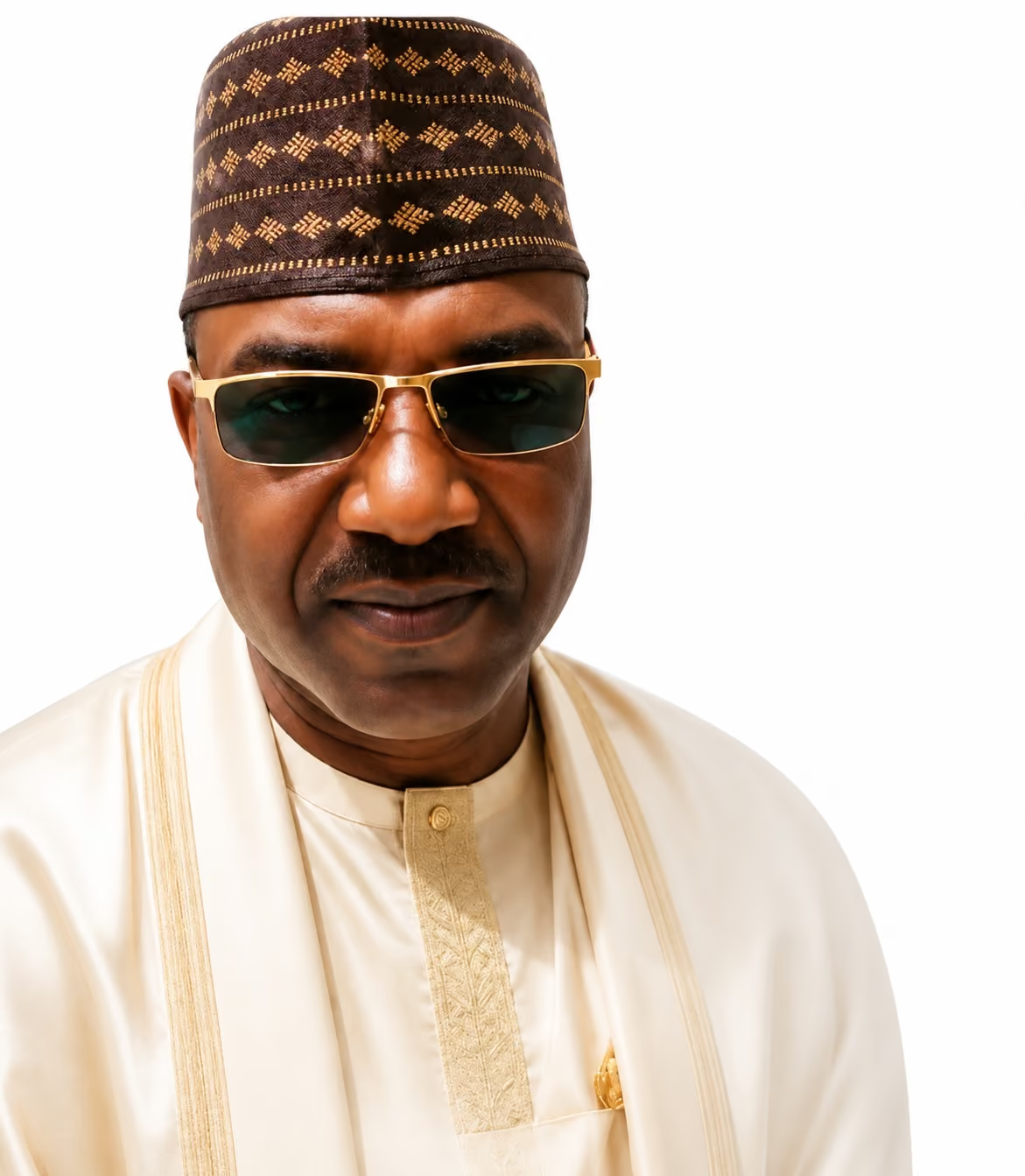
Tijjani Yahaya Kaura is one of a small number of people to have led both sides of Nigeria’s free zone regulatory structure: Managing Director and CEO of the Oil and Gas Free Zones Authority from July 2022 to October 2023, and now Chairman of the Governing Board of the Nigeria Export Processing Zones Authority, inaugurated 9 February 2026.
What separates the two agencies
The Oil and Gas Free Zones Authority regulates free zones built specifically around oil and gas activity, a sector-specific mandate covering one of Nigeria’s most economically significant industries. The Nigeria Export Processing Zones Authority regulates the wider category of export processing zones, covering every sector that operates inside a free zone structure rather than one industry alone. Where OGFZA’s remit is deep but narrow, NEPZA’s is broad across sectors.
Why running both matters
Few people arrive at the NEPZA board having already run the sister agency on the oil and gas side. That sequence gives Kaura a working knowledge of free zone regulation from two different vantage points: the sector-specific pressures that shape a single-industry zone, and the cross-sector coordination required to regulate zones spanning manufacturing, agriculture, technology and more. It is the difference between understanding one part of the system deeply and understanding how the whole system is meant to connect.
The same operating principles, carried across
At OGFZA, Kaura built his tenure around corporate governance, transparency, accountability and direct host-community engagement. Those principles do not need to be reinvented at NEPZA; they are the same standard applied to a wider mandate. It is also the standard he carried into founding Inland Drills Limited: governance and community engagement are not sector-specific ideas, they are baseline requirements for any operation that wants to last.